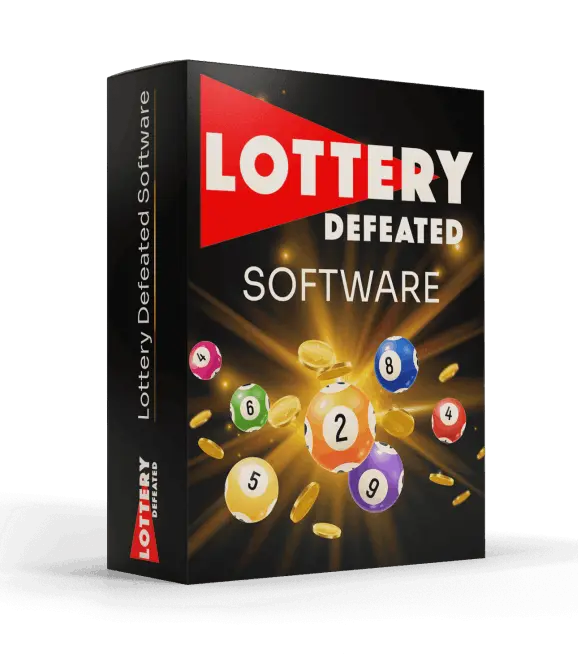




Lottery Defeated is a lottery strategy system that uses historical data, statistical analysis, and structured number-selection methods to help users explore different lottery combinations.
Yes. Its structured approach is designed to make lottery number research and selection simpler without requiring advanced statistical knowledge.
It reviews available lottery data, number frequency, distribution patterns, gap cycles, and other selection criteria to generate combinations for users to consider.
Yes. Its number-generation features allow users to explore and compare different lottery combinations.
No. Lottery Defeated cannot guarantee a jackpot or specific lottery outcome because lottery drawings are random.